Managing a mobile workforce can be challenging for organisations whose employees work in the field delivering essential services. Companies must ensure high-quality service while also maintaining efficiency and scalability as operations grow.
Without the right technology in place, this can become difficult. Field workers may lack access to important information, rely heavily on paperwork, and have limited visibility of their schedules. At the same time, managers struggle to monitor service delivery, track worker locations, and ensure compliance is completed properly. These issues affect both frontline staff and the teams responsible for coordinating them.
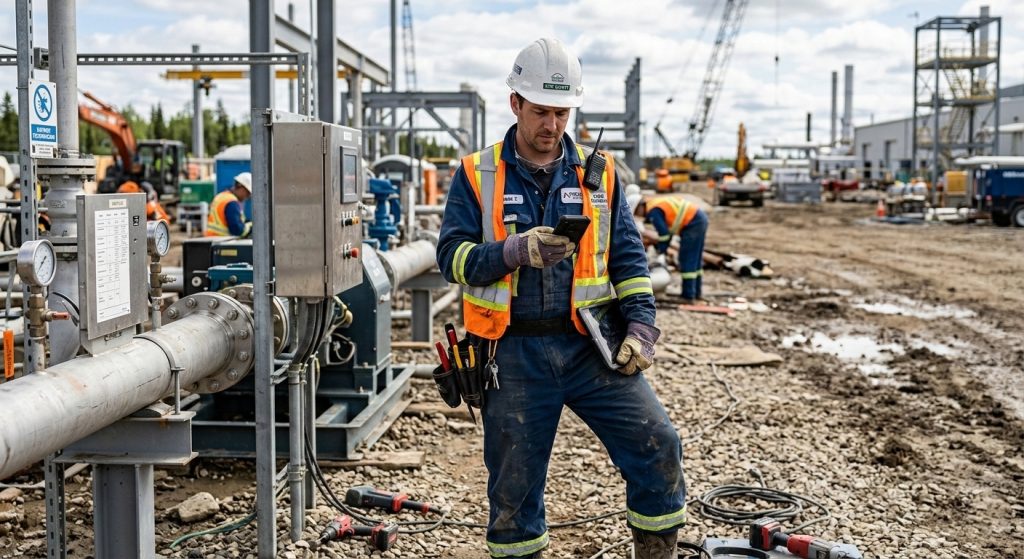
The Challenges of a Mobile Field Service Workforce
Field workers often operate in environments where communication with the office is limited. Poor connectivity, paper-based job details, and delayed updates can make it difficult for technicians to stay informed throughout the day. Without clear visibility of their schedules and tasks, preparation becomes harder and delays can occur.
For office teams, managing field workers without mobile tools can also be frustrating. Tracking technician locations, responding to urgent requests, and adjusting schedules becomes far more complicated when information is not available in real time.
Paperwork is another common challenge. Technicians frequently carry forms between jobs, which takes time to complete and can create security risks if documents are lost. At the end of the day, handwritten notes often need to be manually entered into back-office systems, increasing administrative workload and reducing productivity.
Benefits of a Mobile Workforce Management Solution
Mobile workforce management solutions help overcome many of these challenges by giving field teams access to the tools and information they need directly from a mobile device. Job details, schedules, and updates are available in real time, enabling technicians to stay informed and complete tasks more efficiently.
Digital workflows also reduce administrative work. Instead of completing paper forms, technicians can record information instantly on their devices. This not only saves time but also improves data accuracy and service consistency. As a result, workers can focus more on completing jobs while organisations benefit from improved operational visibility.
When selecting a mobile solution, scalability should also be considered. A cloud-based platform such as Synchroteam allows organisations to expand their workforce and services without needing significant infrastructure changes.
Tips to Manage a Mobile Workforce
1. Streamline Processes
The first step in managing a mobile field service workforce effectively is reviewing existing processes. Many traditional workflows rely on manual administration and paperwork, which can slow down operations and reduce productivity.
By introducing mobile technology, organisations can simplify these processes and remove unnecessary administrative tasks. Field workers gain instant access to job details, schedules, and service information, allowing them to prepare better and work more efficiently. Streamlined processes reduce delays, improve productivity, and give technicians more time to focus on delivering quality service.
2. Improve Workforce Visibility
Maintaining visibility over a mobile workforce is essential, particularly for organisations with large or distributed teams. Without the right tools, it can be difficult to know where technicians are and what work they are currently completing.
A mobile field service workforce solution provides real-time visibility into worker locations and job status. This helps managers monitor progress, respond quickly to unexpected issues, and prioritise urgent tasks when necessary. It also improves safety for technicians working alone or in remote areas, as office teams can quickly identify and address potential problems.
3. Enable Seamless Data Synchronisation
Accurate data and compliance records are critical for service organisations. Mobile workforce solutions allow technicians to record notes, service details, and updates directly on their devices as they complete their work.
Automatic synchronisation with back-office systems ensures that all information is updated in real time. Features such as digital forms and auto-filled fields make data entry faster and reduce the likelihood of human error. By eliminating the need to return to the office to submit paperwork, technicians gain more time to focus on service delivery.
4. Embrace New Technology and Integrations
Technology continues to evolve, and organisations should choose solutions that can adapt to these changes. Integrating emerging technologies such as IoT devices, NFC capabilities, or automated alerts can help further improve efficiency and service delivery.
Integrations with existing systems are equally important. When different business tools work together seamlessly, organisations can improve data sharing, automate workflows, and create a more connected experience for both field teams and office staff.
5. Ensure Easy Access to Information
A mobile workforce solution should be simple to use and easy to navigate. Field workers need to access information quickly while on the move, so intuitive design and familiar mobile interfaces are essential.
When the technology is easy to adopt, employees require minimal training and are more likely to use it effectively. This improves user adoption, ensures jobs are completed correctly, and helps organisations deliver consistent service to customers.
Want to learn how mobile technology can help your workforce achieve more? Try Synchroteam’s free demo today!
Image generated with AI