Mobile working means carrying out job responsibilities away from a fixed office with the help of mobile devices, cloud-based systems, and digital tools. For organisations with field-based or distributed teams, this is not simply a flexible working option; it is the way daily operations are delivered.
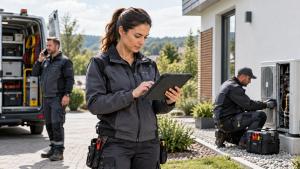
Employees working in the field carry their workplace with them, whether through a smartphone, tablet, or specialist mobile device. This includes roles such as engineers attending service calls, care workers visiting people in their homes, housing teams carrying out inspections, and emergency staff responding in the community.
Although mobile working is sometimes confused with working from home, the two are not the same. Homeworking usually means performing a job remotely from one fixed place. Mobile roles involve moving between customers, sites, assets, or service locations throughout the day.
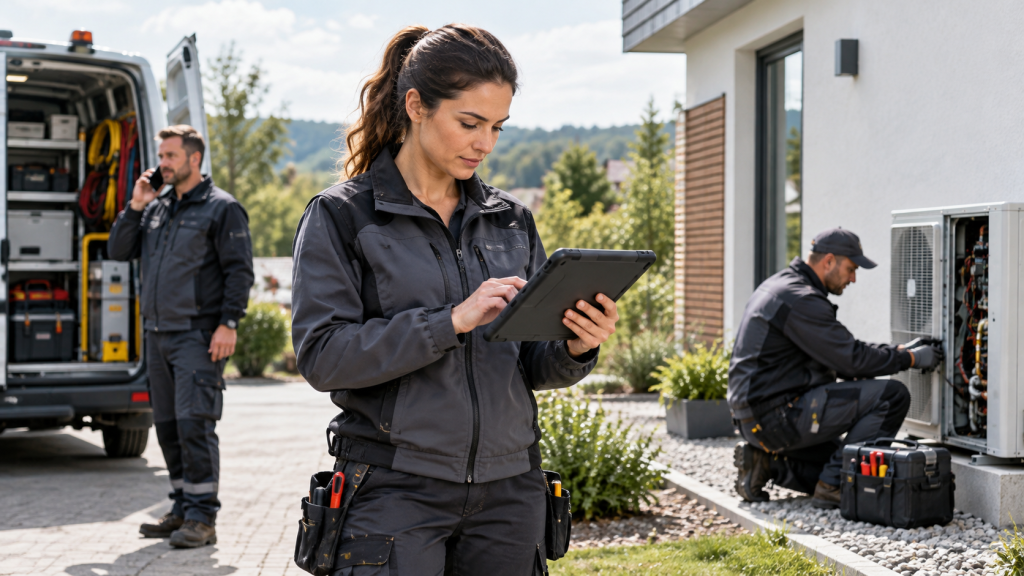
Field-based work itself is not new. Many sectors have relied on mobile employees for decades. What has changed is the quality of the technology available to support them. Today, connected apps, real-time data, and digital workflows make mobile operations faster, more consistent, and easier to manage.
Why Mobile Working Benefits Both Organisations and Employees
One of the biggest advantages of mobile working is improved productivity. When workers can access job details, customer history, asset information, and previous service records before arriving on site, they are better prepared to complete tasks correctly the first time.
This reduces wasted journeys, repeat visits, and unnecessary administration. A technician using a mobile app with complete asset information, for example, can make better decisions than one relying only on a paper job sheet with limited background details.
There are also benefits for employees. Mobile working can reduce unnecessary travel to central offices and provide more predictable schedules when rostering is properly managed. Greater autonomy can also improve engagement, particularly when employees feel trusted to organise their work without constant office-based supervision.
Cost savings are another important advantage. Organisations can reduce office space requirements, mileage, repeat visits, and administrative workload by replacing paper processes with digital forms and automated workflows. This can make field operations both more efficient and less expensive.
Recruitment can benefit too. When jobs are not tied to a single office location, organisations can hire from a wider geographic area. This is particularly useful in sectors experiencing skills shortages or difficulty recruiting locally.
Platforms such as Synchroteam support these benefits through intelligent scheduling, digital job information, integrated asset data, and mobile workflows designed specifically for deskless employees.
Building an Effective Mobile Working Strategy
Many organisations already have mobile employees, but their processes are often fragmented. Different teams may use different tools, data can remain isolated, and workflows may have developed without a clear overall strategy.
A structured implementation helps avoid these problems. The first step is understanding how work is currently carried out. Organisations should map existing workflows, identify inefficiencies, and review any compliance or operational requirements.
The next stage is defining what successful mobile working should look like. This means deciding how employees should access information, how jobs should be assigned, and how data should move between field teams and office systems.
Technology should then be selected to support this model rather than dictate it. Platforms need to integrate with existing systems while remaining easy for field employees to use.
Starting with a small pilot is often the best approach. Testing the solution with one team or region provides an opportunity to gather feedback and make improvements before wider deployment. Once the process is working well, it can be expanded across other departments or locations.
How Mobile Working Is Continuing to Evolve
The future of mobile working will increasingly be shaped by data, automation, and artificial intelligence. Predictive tools can already help organisations forecast demand, identify assets likely to fail, optimise routes, and improve workforce scheduling.
AI can also support employees directly by suggesting next steps, automating routine job allocation, or highlighting important information before a service visit.
Remote support is another growing area. Video calls and shared images allow field employees to consult specialists without requiring another person to travel to the site. This can speed up diagnosis and reduce unnecessary visits.
Connected assets are also changing the way field work is triggered. IoT sensors can detect emerging problems and automatically generate work orders before failures occur, allowing organisations to move from reactive maintenance towards a more preventive approach.
Preparing for the Next Generation of Mobile Work
Employee expectations are changing alongside technology. Workers increasingly expect business applications to offer the same simple, responsive experience as consumer apps. They also want easy access to schedules, personal information, and real-time feedback.
For organisations, this means mobile working is no longer simply about giving employees a device. It requires connected technology, well-designed processes, and tools that genuinely support how field work happens.
When implemented effectively, mobile working can improve productivity, reduce costs, strengthen employee engagement, and create a better service experience for customers. Organisations that build the right foundations today will be better prepared for a more connected, data-driven, and flexible future.
Start with Synchroteam’s free demo!
Image created with AI